Axiology
The philosophical study of values, including the good, the beautiful and what we consider valuable.
Epistemology
The study of the nature, sources, possibilities and limits of human knowledge.
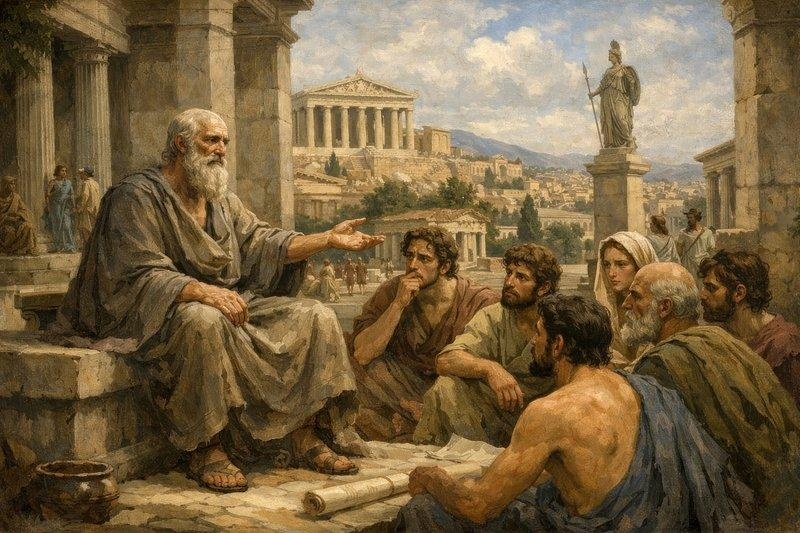
Philosophy
Rational and critical investigation of fundamental questions about reality, knowledge, existence, morality and truth.
Logic
The discipline examining the forms and principles of valid reasoning, distinguishing sound arguments from fallacious inferences.
Metaphysics
The branch of philosophy investigating the most fundamental aspects of reality, including being, causality, identity and possibility.
Ontology
Philosophical investigation of being and the kinds of entities that exist. Traditionally a central part of metaphysics.
Teleology
Explanation of something by reference to its ends or purposes, especially important in Aristotelian philosophy.
Ethics
Philosophical investigation of human action, goodness, duty, virtues and the criteria by which we evaluate our choices.
Christology
The area of Christian theology devoted to the person, nature and work of Jesus Christ.
Ecclesiology
The study of the nature, mission, organisation and life of the Church.
Eschatology
The study of ultimate realities such as death, resurrection, judgement and the consummation of history.
Divine Providence
The doctrine that God sustains and governs creation; its relationship to human freedom receives different theological interpretations.
Soteriology
The theological study of salvation, including grace, faith, justification, regeneration and sanctification.
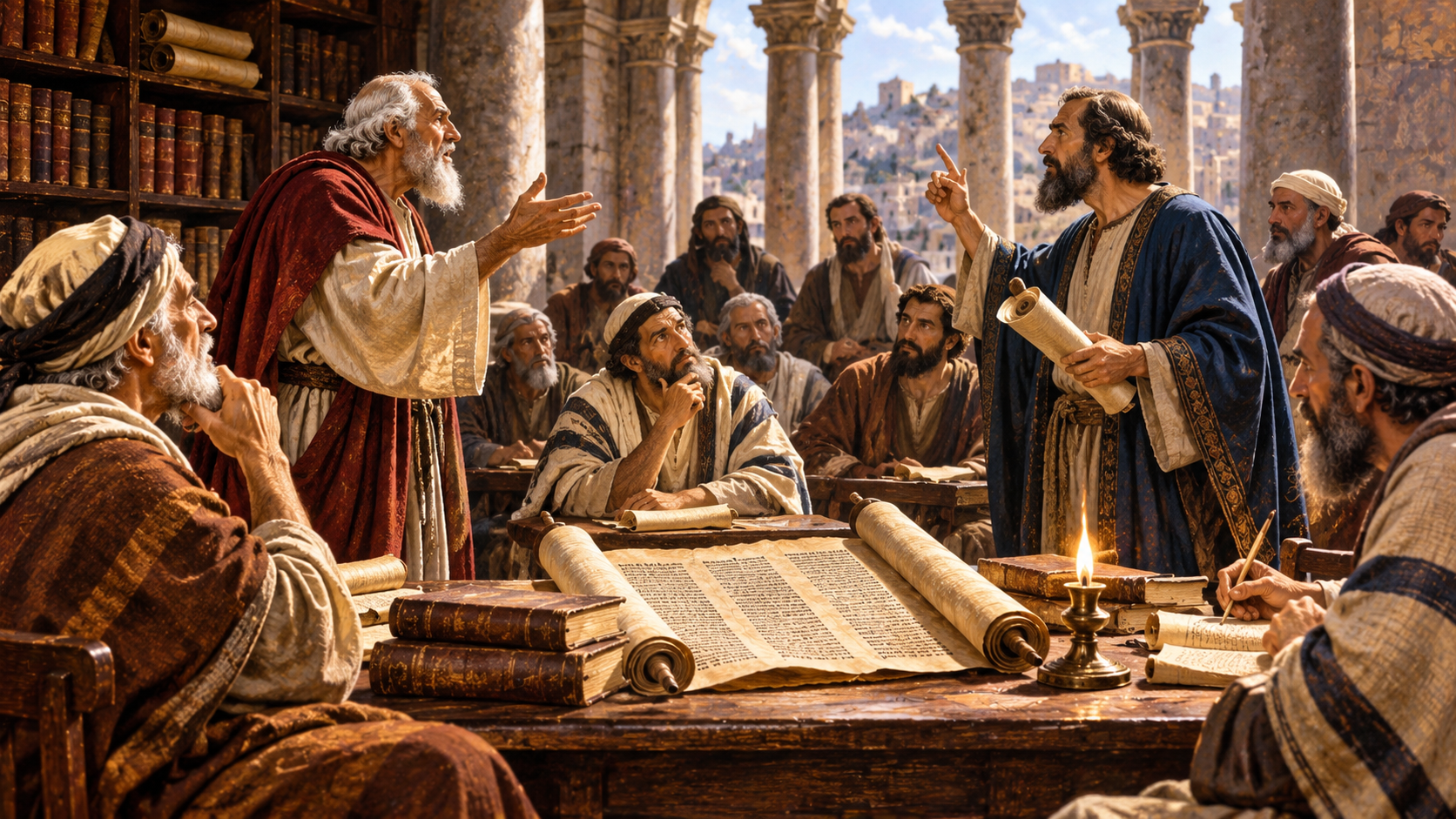
Theology
Systematic and critical study of questions concerning God, the divine, faith and religious doctrines, according to different traditions and methods.
Biblical Theology
The study of theological themes as they develop within the texts and historical contexts of Scripture.
Systematic Theology
The discipline organising and examining the doctrines of a religious tradition in a thematic and coherent manner.
Agnosticism
A position concerning the limits of knowledge about God's existence or other metaphysical realities.
Apologetics
The discipline of explaining and rationally defending religious beliefs in response to questions, criticism and objections.
Atheism
Broadly, the absence of belief in gods; more specifically, the claim that they do not exist.
Determinism
The thesis that events or actions are determined by prior conditions and relevant laws or causal relationships.
Free Will
The capacity attributed to agents to choose or act freely, interpreted in different ways in philosophy and theology.
Predestination
The theological doctrine concerning God's purpose or decree regarding human destiny, especially salvation, interpreted differently by Christian traditions.
Theodicy
A philosophical or theological attempt to explain how God's existence can be reconciled with evil and suffering.
Theism
The view that God or a personal divine reality exists, often understood as the creator and sustainer of the universe.










 Philosophy
 Vida e sentido